For Governments & Programmes
Enable a more capable nation. See it in aggregate, built for scrutiny.
A programme sees the population it sponsors as an aggregate, and can show an auditor how any conclusion was reached — without ever reaching an individual. Every person in the programme still owns their own record.
People.Potential.Progress.Together.
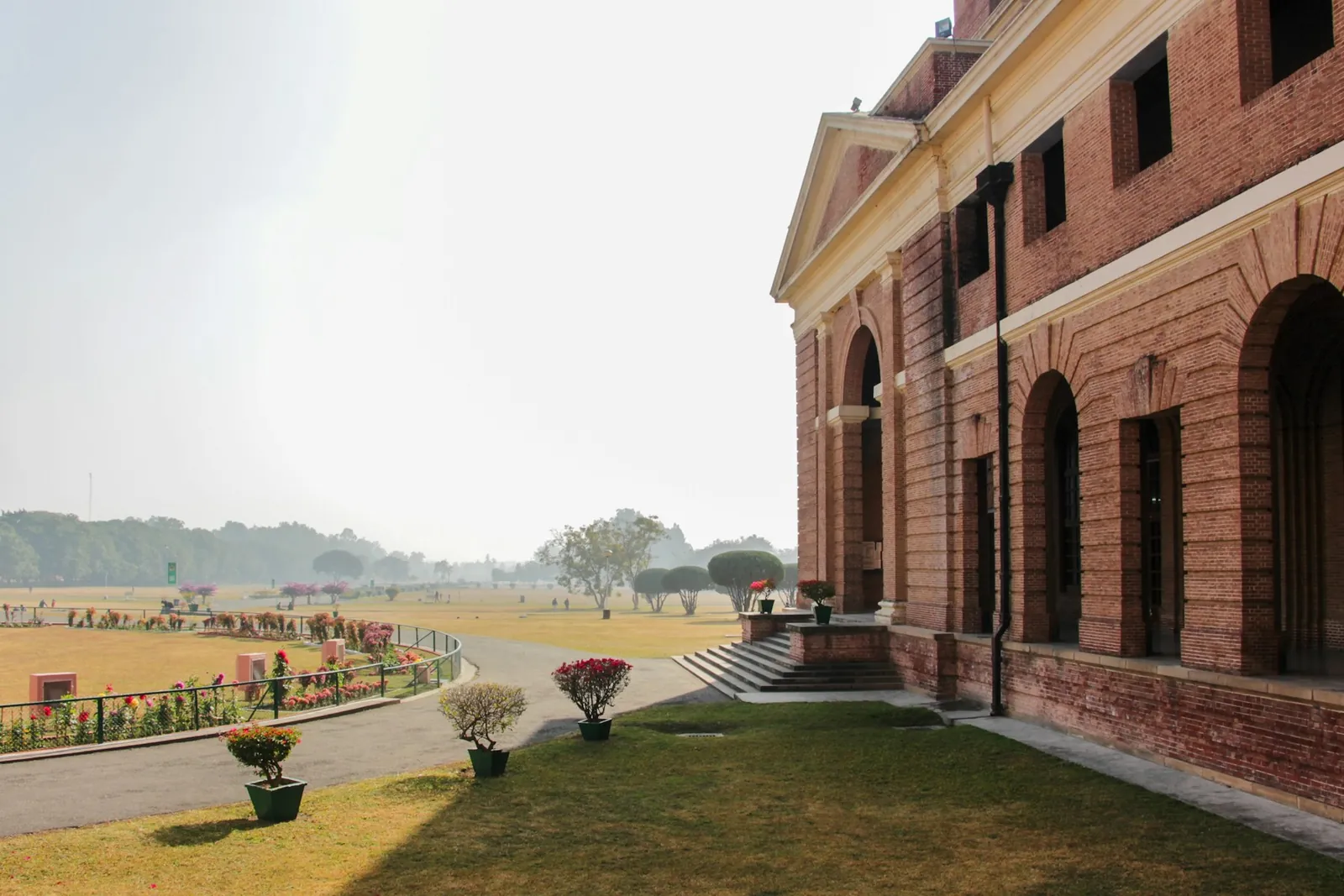
A programme should be able to show an auditor how it reached any conclusion — and should never be able to reach a person.
- Aggregates built for scrutinyWhat was known, assumed, and why
- Rules a non-specialist can readAny conclusion traces to its rule
- No league tablesNot of people, institutions or districts
- Every person owns their recordAnd can contest any conclusion
- Designed for India's DPDP ActPurpose declared first, and held to
From a programme's purpose to a conclusion an auditor can follow
How Zynaut Pathways supports a programme
Five steps. The programme sees the whole; every participant keeps their own record.
1. Declare the purpose
A programme states what it sponsors and why. Nothing in the record is used outside that declared purpose.
2. People build their own records
Each participant holds a record of what they can do, built from evidence that keeps its source. Their own word counts, marked as such.
3. See the population as a whole
Aggregate views built so no one can be picked out: where the sponsored population stands against what the programme set out to build.
4. Show your working
Every aggregate conclusion carries what was known, what was assumed, and why the conclusion followed — in rules a non-specialist can read.
5. Let conclusions be contested
Any conclusion about a person can be contested by that person from their own record, and the contest is kept alongside it.
Everything a programme needs, honestly stated
What a programme gets, and what it never gets
The door for government programmes, in six plain lines.
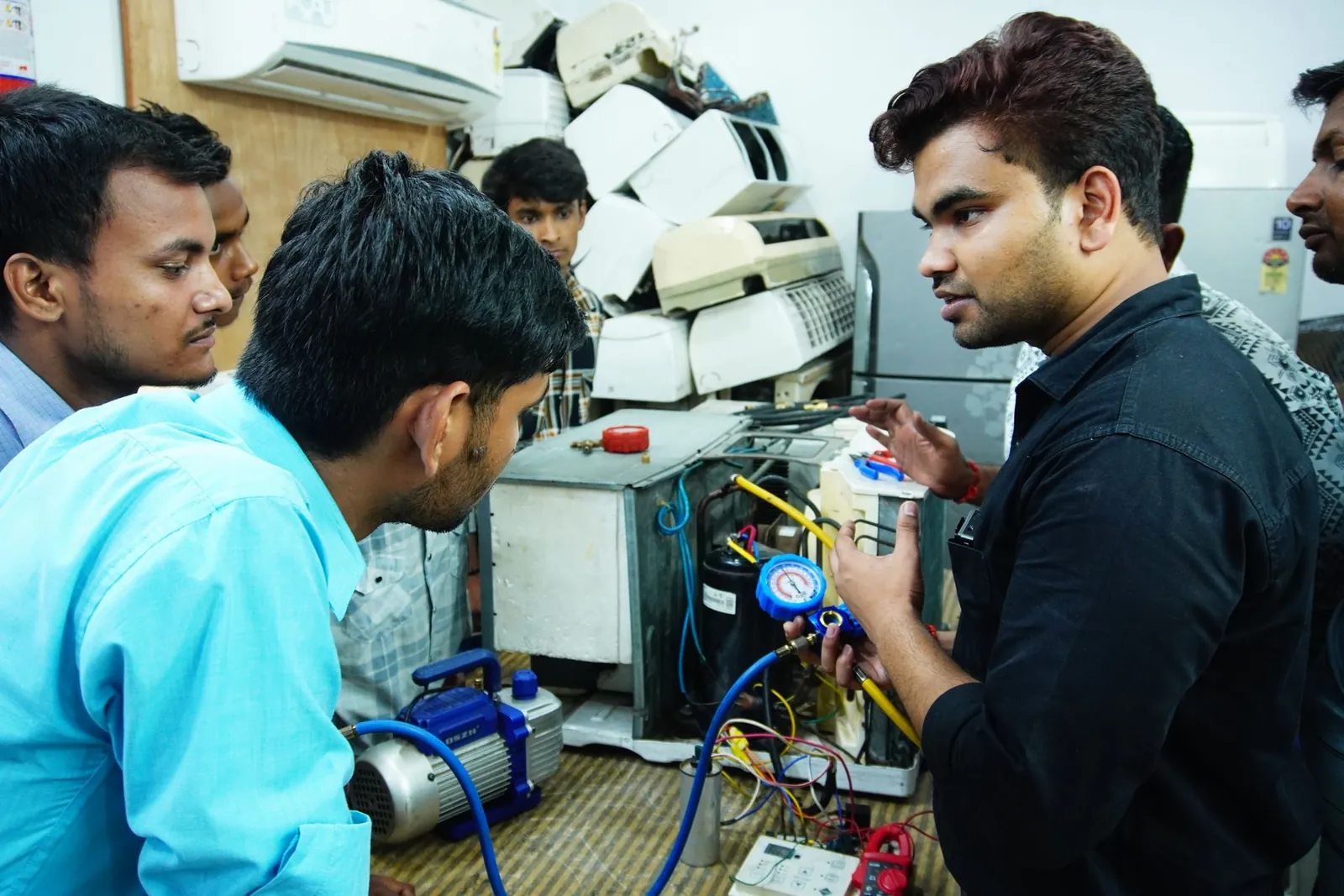
Skilled people.Seen as a whole.
- Aggregate views built for scrutinyWhat was known, what was assumed, and why a conclusion followed.
- Readable rulesAny conclusion can be traced to the rule that produced it, by someone who is not a specialist.
- A recorded contest routeA person can challenge a conclusion about them from their own record; the challenge is kept beside it.
- No league tableOf people, of institutions, of districts. Nothing here ranks one against another.
- No use outside the declared purposeThe programme's purpose is stated up front, and the record is not used beyond it.
- No route to an individualAnything about one learner reaches you only as a view that learner chose to share.
Built for scrutiny
Show an auditor how you got there. Never show them a person.
Public programmes are accountable to the public, so evidence, auditability and equitable treatment are conditions of deployment rather than features. Zynaut Pathways is designed so a programme can trace any aggregate conclusion to what was known, what was assumed and the rule that produced it — and so no path leads from that aggregate to a named person.
- Aggregates that never let anyone be picked out
- Rules a non-specialist can read
- A recorded route to contest any conclusion
- Purpose declared first, and held to
- No league table of people, institutions or districts
Accountable to the public, and to every person in the programme.
Nothing here reaches an individual. Anything about one learner arrives only as a view that learner chose to share.
Built for India first
The deployment being built for India
Zynaut Pathways can be deployed under a programme's own name, with the same record and the same rules. One such deployment is on the record.
BharatSamarth
The version of Pathways being built for India, under its own name: the same record and the same rules about who can and cannot see it, with only the Indian qualification frameworks, issuer registries and scheme integrations belonging to it rather than to Pathways itself. This site once listed it as an offering in its own right; it is one branded instance of the flagship.
- Status: In development — Active implementation exists. General availability is not claimed.
- An implementation exists for this market and is being built against. General availability is not claimed for it, and its progress does not imply the platform's.
Your programme's name, the same rules
A white-label deployment carries a programme's own name and its own status. The record, the boundaries, and who can and cannot see what are unchanged.
- Your name and identity on the front
- The person still owns the record
- Aggregates only, with no route to an individual
- Aggregates onlyThe population, never a person
- Working shownKnown, assumed, and why
- No league tablesPeople, institutions or districts
- ContestableBy the person, from their record
- Purpose declared firstAnd the record held to it
- Designed for India's DPDP ActCollect what the purpose requires
Illustrative journeys
What accountability looks like in practice
Three journeys the design is built around — a programme, a person in it, and the auditor who checks it.
A state skilling programme
Sponsors training across many centres and needs to know what it built against what it set out to build. It reads the sponsored population as an aggregate, and can show an auditor what was known, what was assumed and why the conclusion followed.
A participant in that programme
Holds her own record. When an aggregate conclusion about her cohort seems wrong from where she stands, she contests it from her record, a person reads the challenge, and the contest is kept alongside the conclusion.
An auditor
Asks how a programme reached a figure it reported. He is shown the rule, in words he can read, and the assumptions behind it. He is never shown a person, because there is no route to one.
Illustrative journeys, written to show what the design is for. Zynaut Pathways is in development and no customer story, testimonial or measured outcome is published yet.
Questions programmes ask
Before a programme is designed around it
Can a programme see who has completed what?
Not by name. A programme sees the population it sponsors as an aggregate, built so nobody can be picked out. Anything about one person reaches the programme only as a view that person chose to share.
Can we compare districts, centres or institutions?
Not as a league table — there is none, of people, institutions or districts. A programme can read its own sponsored population against what it set out to build. Nothing ranks one place against another.
How does an auditor check a conclusion?
Every aggregate conclusion carries what was known, what was assumed and why the conclusion followed, in rules written for a non-specialist to read. An auditor can trace a conclusion to the rule that produced it without ever being shown a person.
What is shown for a group too small to hide anyone in it?
Not yet decided, and it will be stated before any programme uses this. The commitment is that an aggregate never lets anyone be picked out. What is shown for a group too small for that to hold is a rule still to be published.
Can the record be used for another purpose later?
No. A programme declares its purpose first, and the record is not used outside it. A new purpose is a new declaration, with its own lawful basis and its own permission, not an extension of the old one.
Is it available now?
Not yet. An implementation exists and is being built against, including a deployment for India under its own name, but general availability is not claimed and no date is given. Ask to see the design on a real build.
Status: In development
Active implementation exists. General availability is not claimed.
What is not claimed. No customer, adoption figure, outcome, partnership or certification is published anywhere on this site, because none has been verified. Every design fact here is a commitment about how the record is built, not a report of results.
What it rests on
- What it rests on
- An implementation exists and is being built against. It is not generally available, and no date for that is claimed.